By Andrew Haruna | Nigeria News Today
ABUJA — The Federal Government has cleared over ₦2 trillion in outstanding capital budget obligations from the 2024 fiscal year and has pledged to prioritise the timely release of 2025 capital funds, The Bureau News reports.
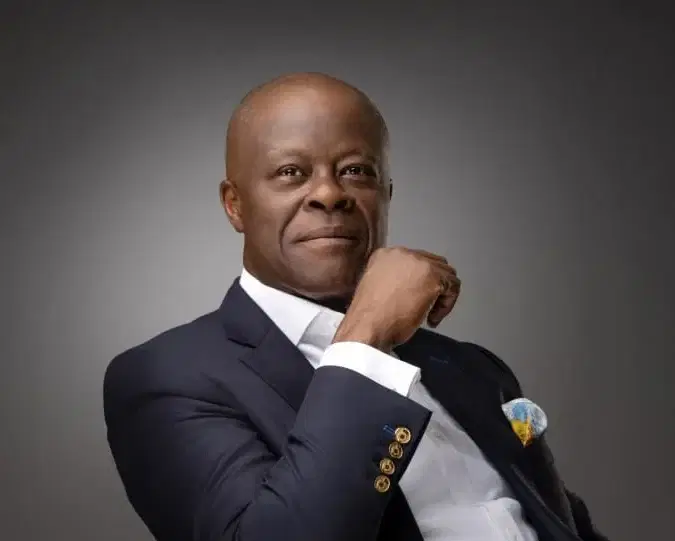
Speaking at a ministerial press briefing in Abuja on Thursday, the Minister of Finance and Coordinating Minister of the Economy, Wale Edun, said the debt clearance reflects the government’s renewed commitment to fiscal discipline and improved economic management.
“In the last quarter, we paid contractors over ₦2 trillion to settle outstanding capital budget obligations from last year. At the moment, we have no pending obligations that are not being processed or financed,” Edun stated.
He emphasised that government agencies must only commit to projects when funds are duly authorised and made available.
Macroeconomic Outlook Shows Positive Trends
Edun noted that Nigeria recorded a trade surplus of over $4 billion in the first quarter of 2025, with exports rising by 9.8%, exchange rates stabilising and foreign reserves standing at $39 billion in July.
He credited the positive indicators to the policy direction of the Tinubu administration, adding that “Nigeria is now open for business” and positioned as an attractive investment destination.
Edun also pointed to fiscal reforms such as halting unauthorised use of Ways and Means advances from the Central Bank, which helped reduce the country’s debt-to-GDP ratio from 52.1% to 38.8% after GDP rebasing.
Comprehensive Tax Reform Coming in 2026
The minister disclosed that a comprehensive tax reform framework will take effect in January 2026, consolidating all tax laws into a single structure and eliminating more than 50 overlapping taxes.
In addition, a new revenue optimisation platform, powered by digitisation and artificial intelligence, will centralise collections from government agencies and block revenue leakages.
Growth Targets and Social Protection
Edun reaffirmed the government’s medium-term goal of achieving 7% annual GDP growth, supported by investment in agriculture, healthcare, education, technology, manufacturing, and infrastructure.
He also confirmed that direct cash transfers to vulnerable Nigerians were ongoing, with eight million beneficiaries already reached out of the targeted 15 million. All payments are being delivered using biometric verification and digital platforms to ensure transparency.
Other initiatives include:
-
Nigeria Education Loan Fund
-
Consumer Credit Scheme
-
Youth Investment Bank (forthcoming)
-
€600m facility for digital and creative sectors
“Our commitment is to build an economy that works for everyone — with transparency, resilience, and purpose,” Edun said.